
Dancing Ganesha
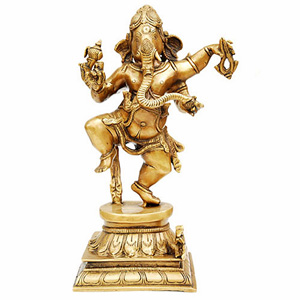 Dimension: 13x6x5 inches
Indian handicrafts are always rich in variety owing to great diversity in the cultural set-up of Indian society. The handicraft produced in far flung regions of India are unique and possess great historical traditions and artistry.
Garden Ganesha Sculptures
Wooden carved Ganesha with chattri, Wooden Ganesha with chattri, Soap Stone Ganesh, Dancing Ganesh
The elephant-headed Ganesha is one of Hinduisms most popular deities. Ganesha's name means "Lord of Gana." The chubby and gentle Lord Ganesha the deity popularly known as the remover of obstacles. Lord Ganesha is associated with learning.
In most of the Ganesha sculptures, Lord Ganesha is depicted pot-bellied, has one tusk broken, and has four arms that holds a pasam, a goad, and a pot of rice or sweetmeats. The sweets are held in a bowl which is known as a laddus. Lord Ganesha is known for his appetite for sweets. Devotees offer laddus to Lord Ganesha in temples. The images of Ganesha are placed in new houses that are to be built and are considered auspicious to take his blessings before starting new ventures. Statues of Ganesha are commonly everywhere including temples and different places inside and outside the house like the living area, puja room and even the garden area.
Nowadays, the trend of keeping Garden Ganesha Sculptures is fast catching up. Some of the important features incorporated in the Garden Ganesha Sculptures are a pasam which is a triple twine weapon representing arrogance and conceit; Maya and Ignorance.
Goads are typical in Garden Ganesha Sculpture. Goads are symbolic of how one should steer the soul away from the ignorance and illusions of this earthly world.
Ganesha pot belly is bound around with a cobra. The cobra is associated with Shiva, a reminder that Ganesha is his son.
Ganesha sculpture is shown riding a rat. Rats symbolize Ganesha's ability to destroy every obstacle.
| Page 1 2 3 | Next » | |
 Dancing Ganesha |
 Chowki Ganesha |
 Deepak Ganesha |
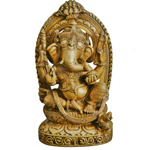 Enthroned Ganesha |
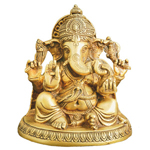 Blessing Ganesha |
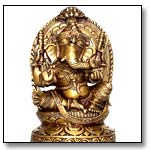 Enthroned Ganesha Statue |
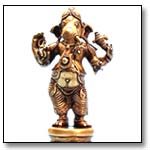 Standing Ganesha Statue |
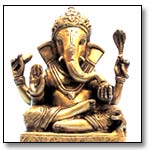 Chowki Ganesha |
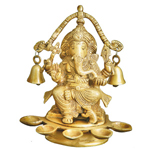 Deepak Bells Ganesha |
- Moonstone Earrings
- Gemstone Necklace
- Designer Necklace
- Red Batik Bedspreads
- Designer Stole
- Sterling Necklace
- Woman Stole
- Decorative Vase
- Lac Coasters


For Urgent Assistance : Email:[email protected]
Handicrafts Products
- Indian Bangles
- Bed Spreads
- Brass Items
- Antique
- Buddha Statue
- Candle
- Cushion Cover
- Decorative Items
- Handicrafts Items
- Handmade Items
- Indian Kurti
- Indian Painting
- Handicraft Statues
- Wall Hanging
- Indian Jewelry
- Wooden Products
Arts In India
Textile In India
Handicrafts In India
Craft From States
Sculpture In India
Jewelry From India
Gift Ideas In India
Accessories In India
Others
Painting
Explore the colors and images of incredible India at this rare online gallery of Indian Paintings, consisting magnificent Madhubani paintings, mysterious Warli paintings, Patachitras, Tribal Paintings, Thangka Paintings and also contemporary Indian art paintings.
